



In todays episode, we welcome wood-and-coffin specialist Carrie Arbuckle McLeod for a deep dive into why ancient Egyptian coffins are basically time capsules: tiny wood samples reveal trade and value, tool marks preserve the hands-on actions of carpenters, and joints can map changing technology and belief. You’ll hear why cedar (often linked to Osiris) was a luxury imported “king of woods,” how local sycamore fig became the womb of Nut, and why coffins and boats share the same journey-to-the-afterlife logic—plus the surprising “magic” of red-painted and even inscribed joints.
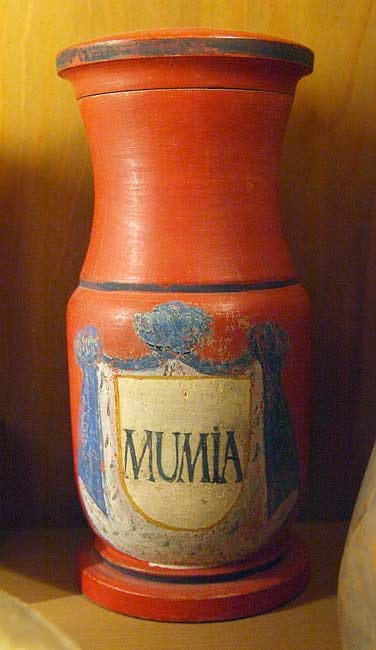
We also unpack the messy afterlife of coffins in modern times: early excavators burning plain coffins for warmth, collectors mixing bodies and boxes, and over-conservation that can repaint or plasticize the past.
About Carrie
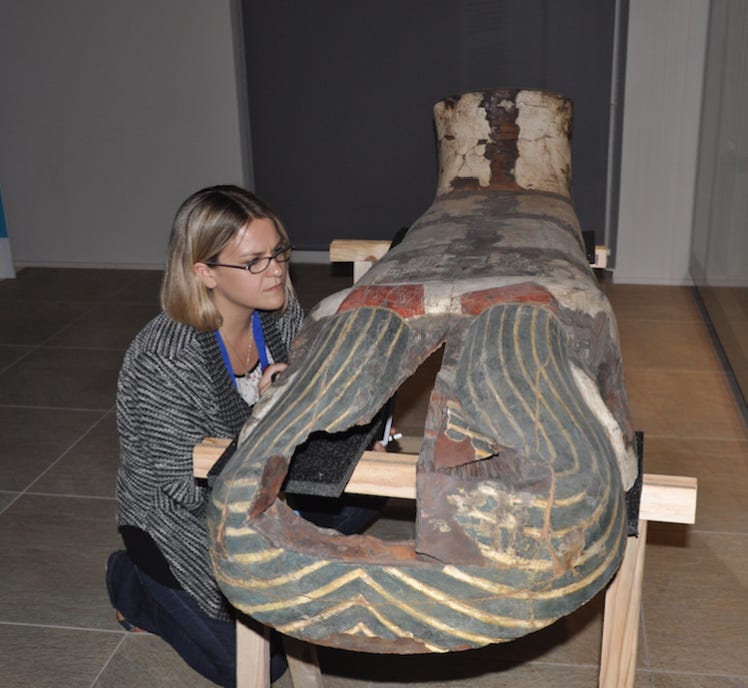
Caroline Arbuckle MacLeod is Assistant Professor of Classical and Near Eastern Archaeology at St Thomas More College at the University of Saskatchewan. She specializes in the archaeology of wood and woodworking, focusing on the history of ancient Egyptian wooden coffin production. She has recently published Archaeological Wood and Woodworking, in the Cambridge University Press Elements series, and has won awards for her experiential approaches to teaching. She is part of the Turin-Leiden excavation team at Saqqara, and is currently working on a volume on the coffins from Assiut housed in the Museo Egizio, Turin.
Cambridge Elements: Archaeological Wood and Woodworking
Show Notes
Haida Woodworking
Trees of Egypt
Tamarisk

Acacia
Sycomore Fig
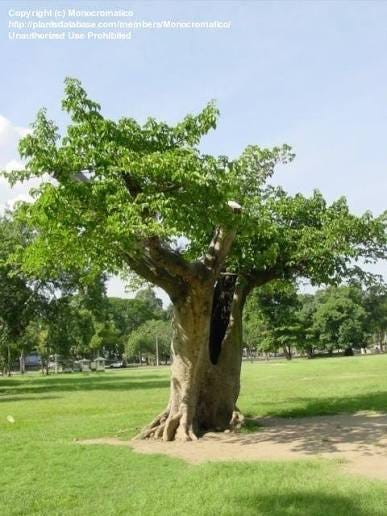
Zizithus (aka Christ Thorn)

Cedar (cedrus lebani)
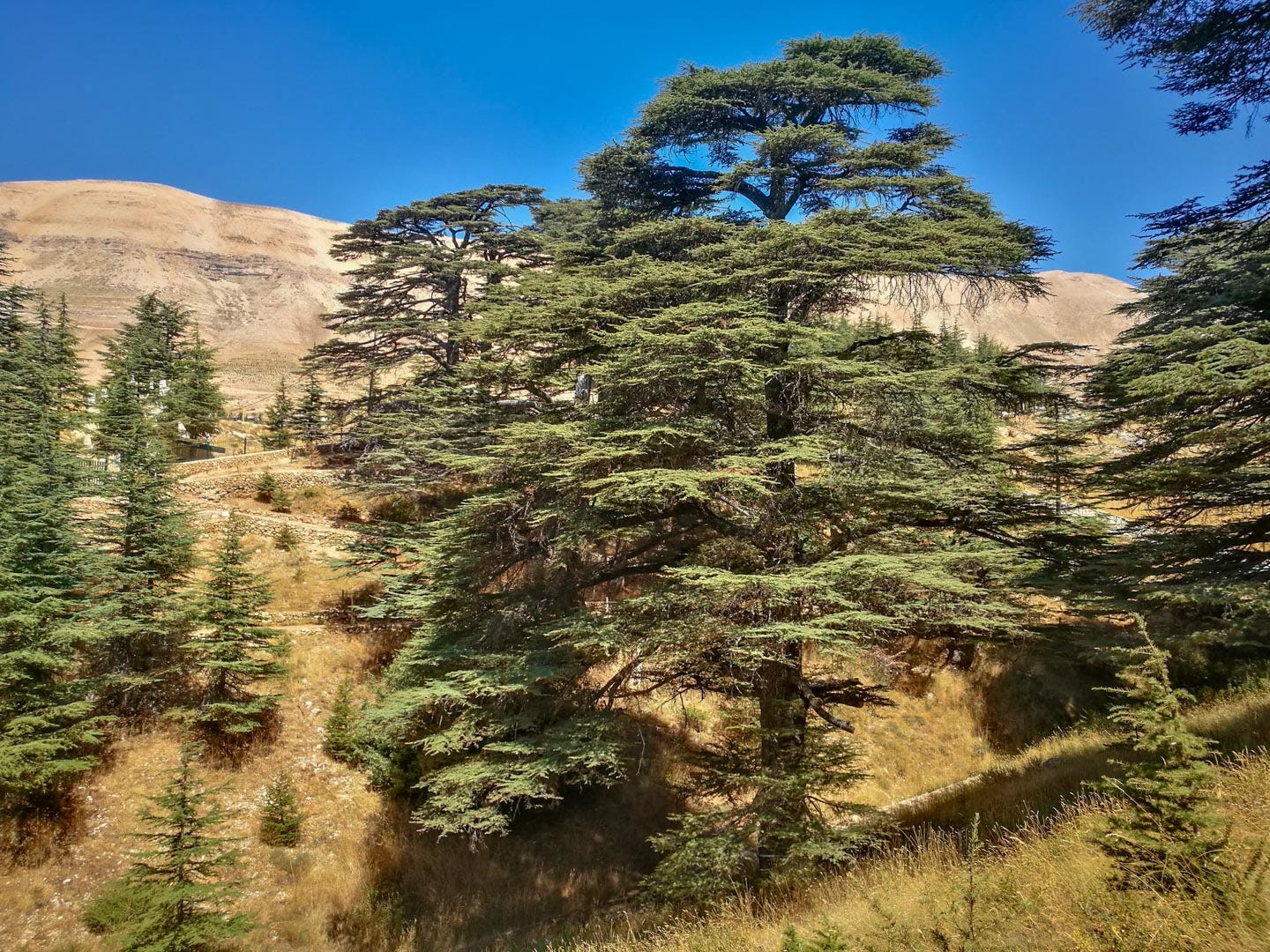
Egyptian words for cedar: ash 𓂝𓈙𓇫 and meru 𓌸𓂋𓅱𓇫𓆱
Year 5, fourth month of summer, day 16, the day of departure of Wenamun, the Elder of the Portal of the Temple of Amun, Lord of Thrones-of-the-Two-Lands, to fetch timber for the great noble bark of Amen-Re, King of Gods, which is upon the river and [is called] Amen-user-he.
Bunbury, Judith and Reim Rowe 2021. The Nile: mobility and management. Cambridge Elements: Elements in Ancient Egypt in Context. Cambridge: Cambridge University Press. DOI: 10.1017/9781108919913.
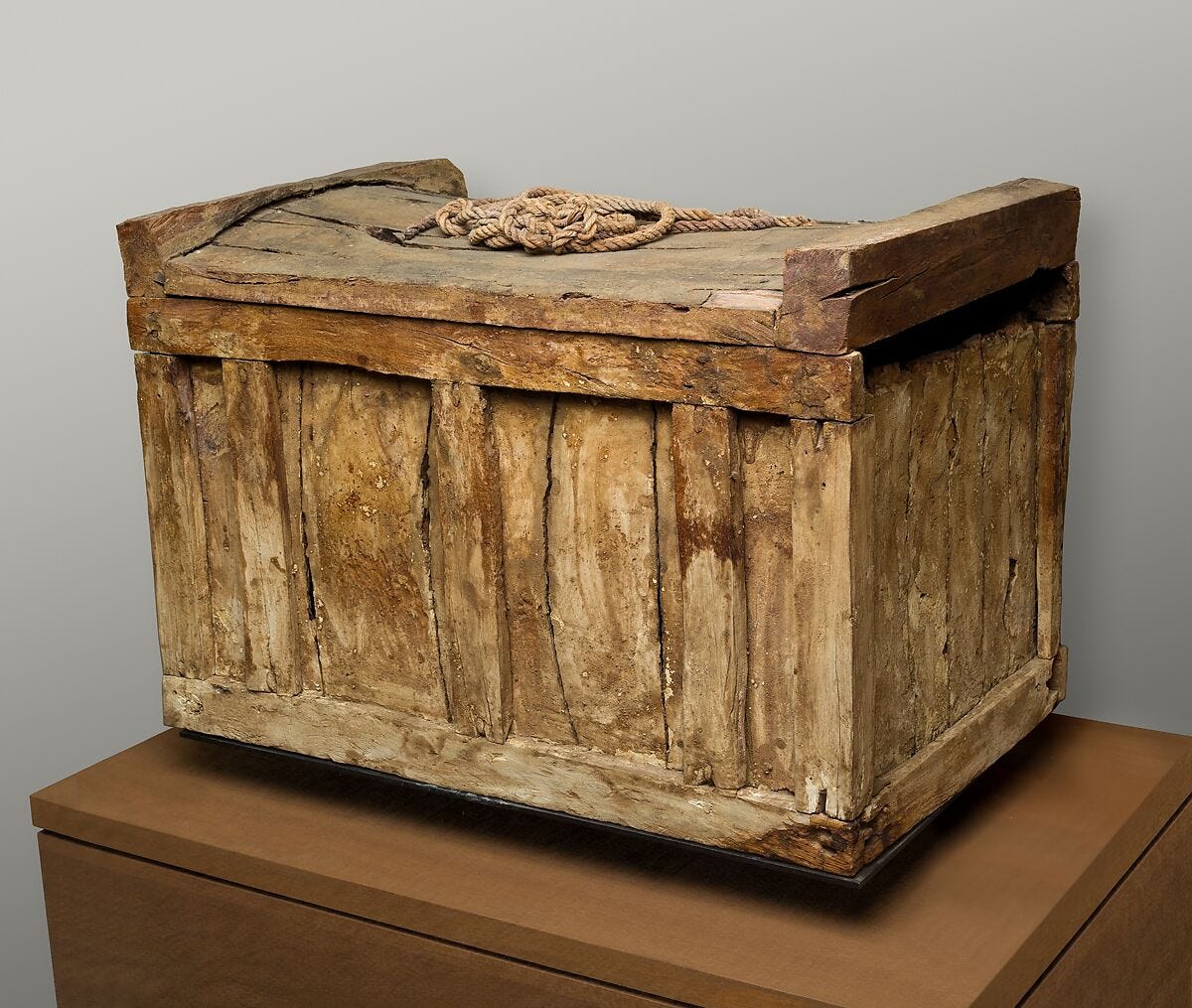
Box Coffin with Rope from the Old Kingdom (MET), made of Tamarisk
Typhon (Seth), having secretly measured Osiris's body and having made ready a beautiful chest of corresponding size artistically ornamented, caused it to be brought into the room where the festivity was in progress. The company was much pleased at the sight of it and admired it greatly, whereupon Typhon jestingly promised to present it to the man who should find the chest to be exactly his length when he lay down in it. They all tried it in turn, but no one fitted it; then Osiris got into it and lay down, and those who were in the plot ran to it and slammed down the lid, which they fastened by nails from the outside and also by using molten lead. Then they carried the chest to the river and sent it on its way to the sea through the Tanitic Mouth.
Thereafter Isis, as they relate, learnedthat the chest had been cast up by the sea near the land of Byblos, and that the waves had gently set it down in the midst of a clump of heather. The heather in a short time ran up into a very beautiful and massive stock, and enfolded and embraced the chest with its growth and concealed it within its trunk.
I shall go to the Valley of the Cedar…I shall extract my heart and put it on top of the cone of the cedar tree. And if the cedar is cut down and falls to the ground, you are to come search for it.
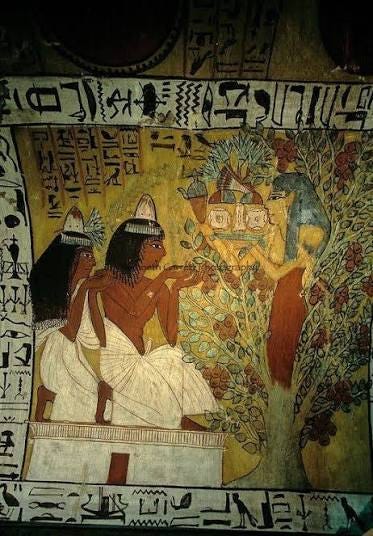
‘Lady of the Sycomore,’ “Womb of Nut”
Quote from David Hogarth, British Museum
Warmth after the day's toil we never felt from December to February, even when sitting closest to the fire, which we kindled nightly with unpainted slats of ancient coffins on a hearth of old empire bricks. The dead wood, seasoned by 4,000 years of drought, threw off an ancient and corpse-like smell which left its faint savor on the toast which we scorched at the embers. And a clear smokeless light fell fitful on serried coffins, each hiding a gaunt tenant swathed and bound, to whose quiet presence we grew so little sensitive that we arranged our stores and bottles, our pans, and our spare garments on his convenient lid.
Coffin of Nebetemqis
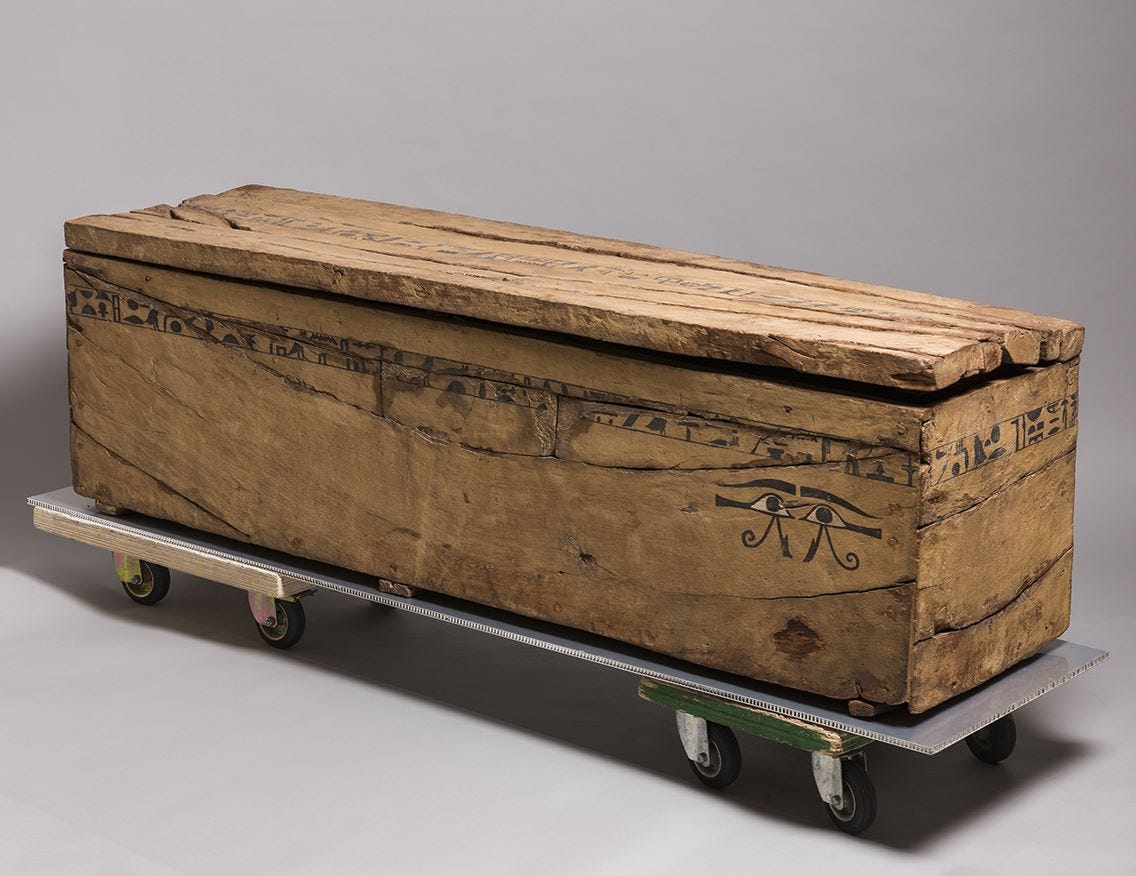
Black Goo Sarcophagus Petition
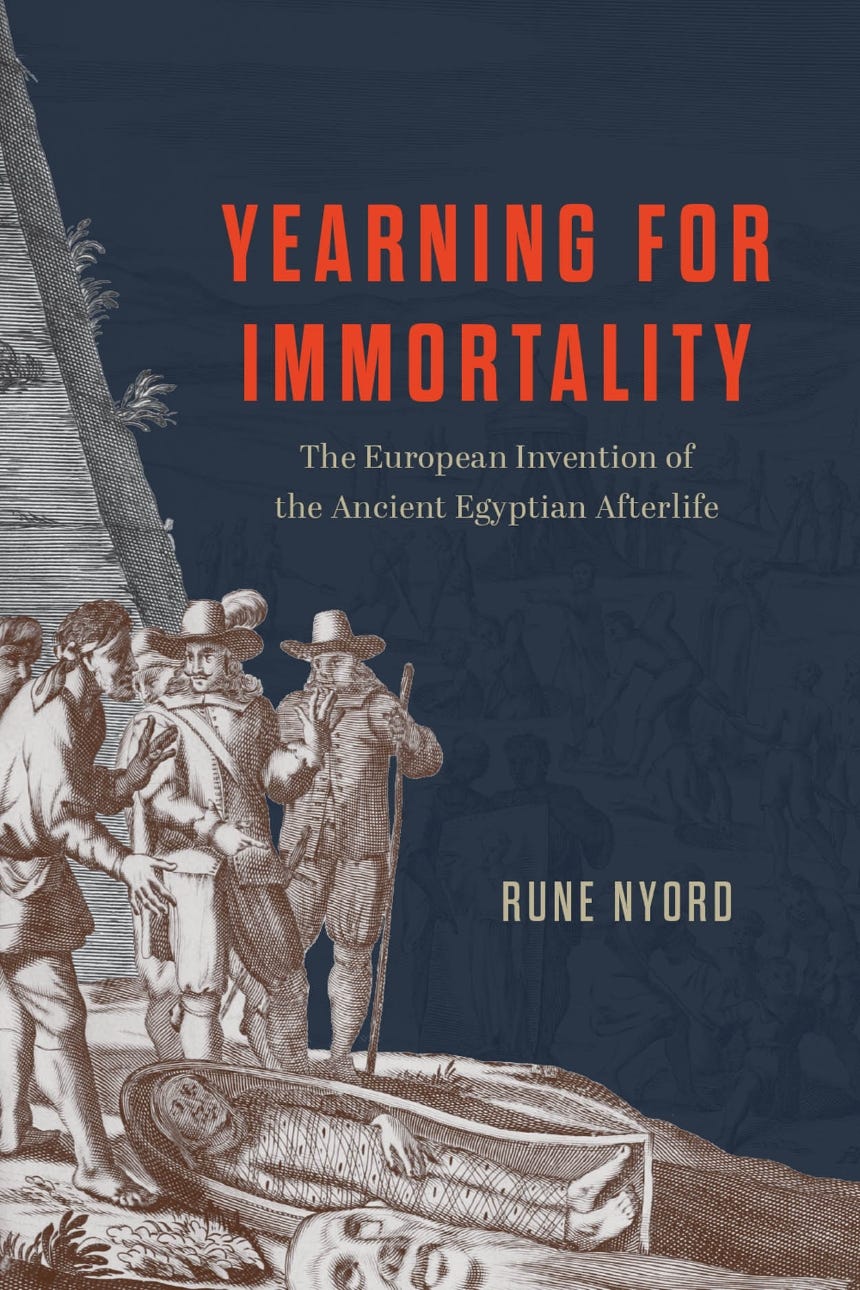
Nyord, Rune 2025. Yearning for immortality: the European invention of the ancient Egyptian afterlife. Chicago; London: The University of Chicago Press. DOI: 10.7208/chicago/9790226838243.001.0001.
Dahshur Boats at the Field Museum
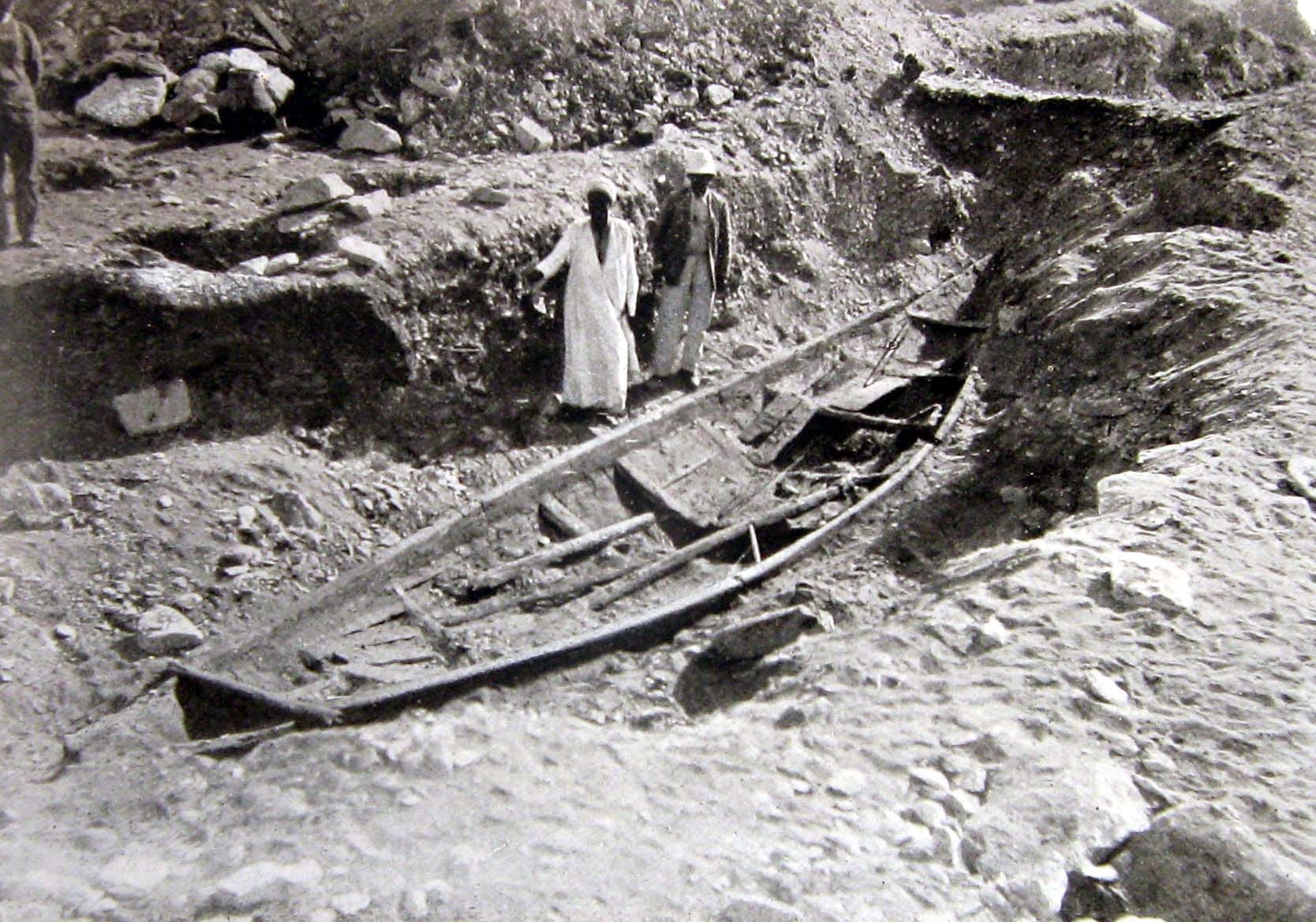
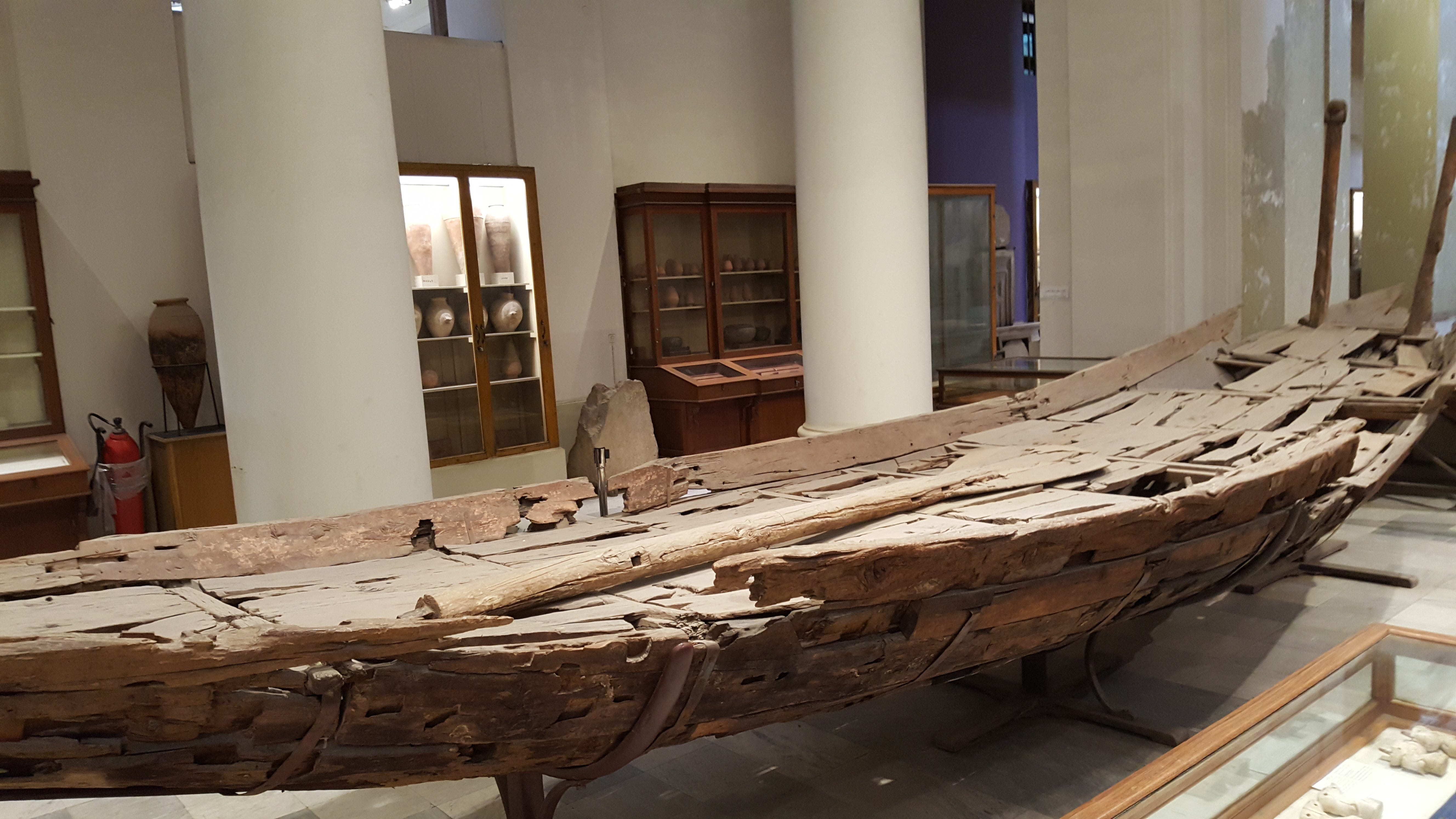
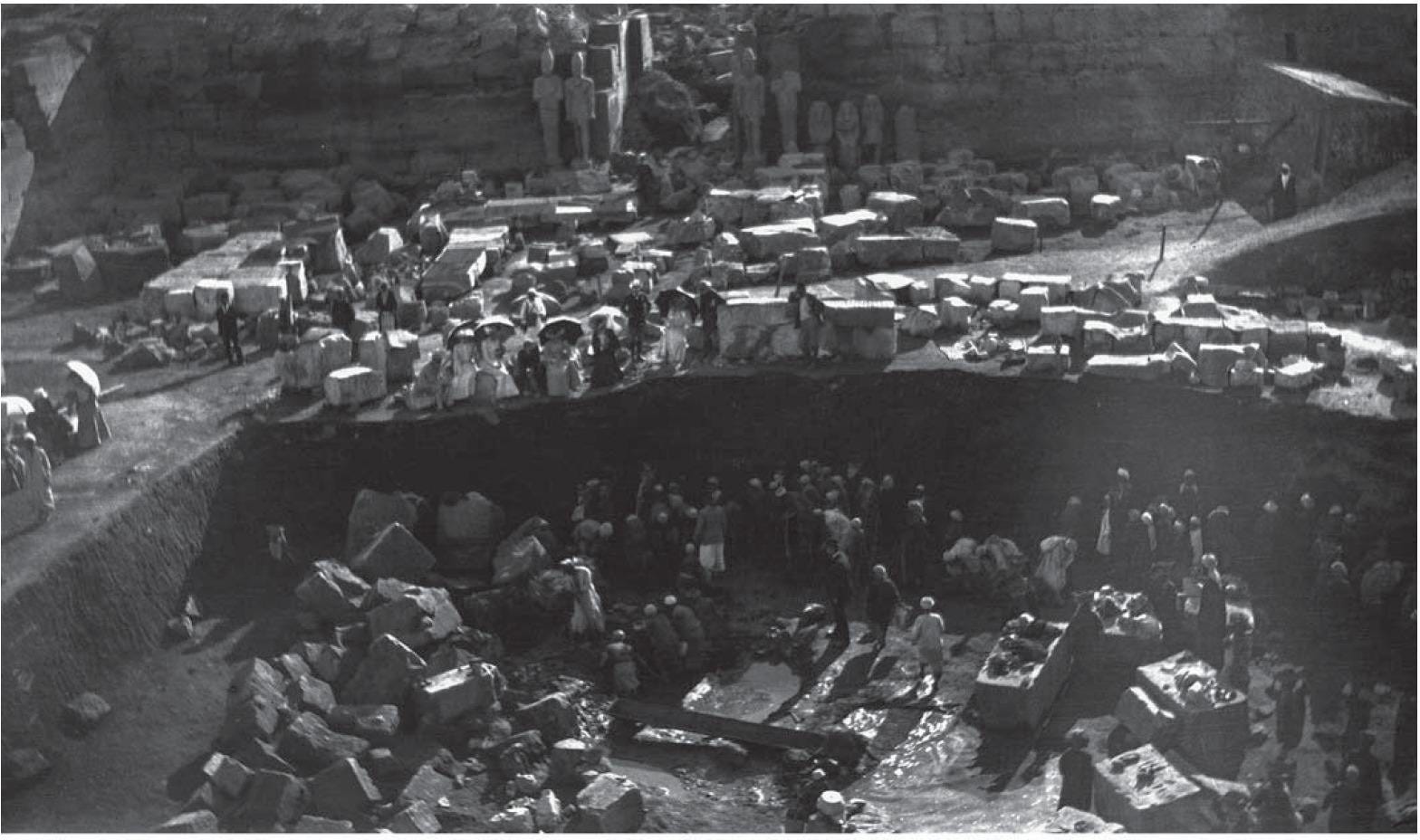
Brown, Nicholas 2020-2021. Raise me up and repel my weariness! A study of the coffin of Thutmose III (CG 61014). Mitteilungen des Deutschen Archäologischen Instituts, Abteilung Kairo 76-77, 11-35.
The Stela of Irtisen (translation)
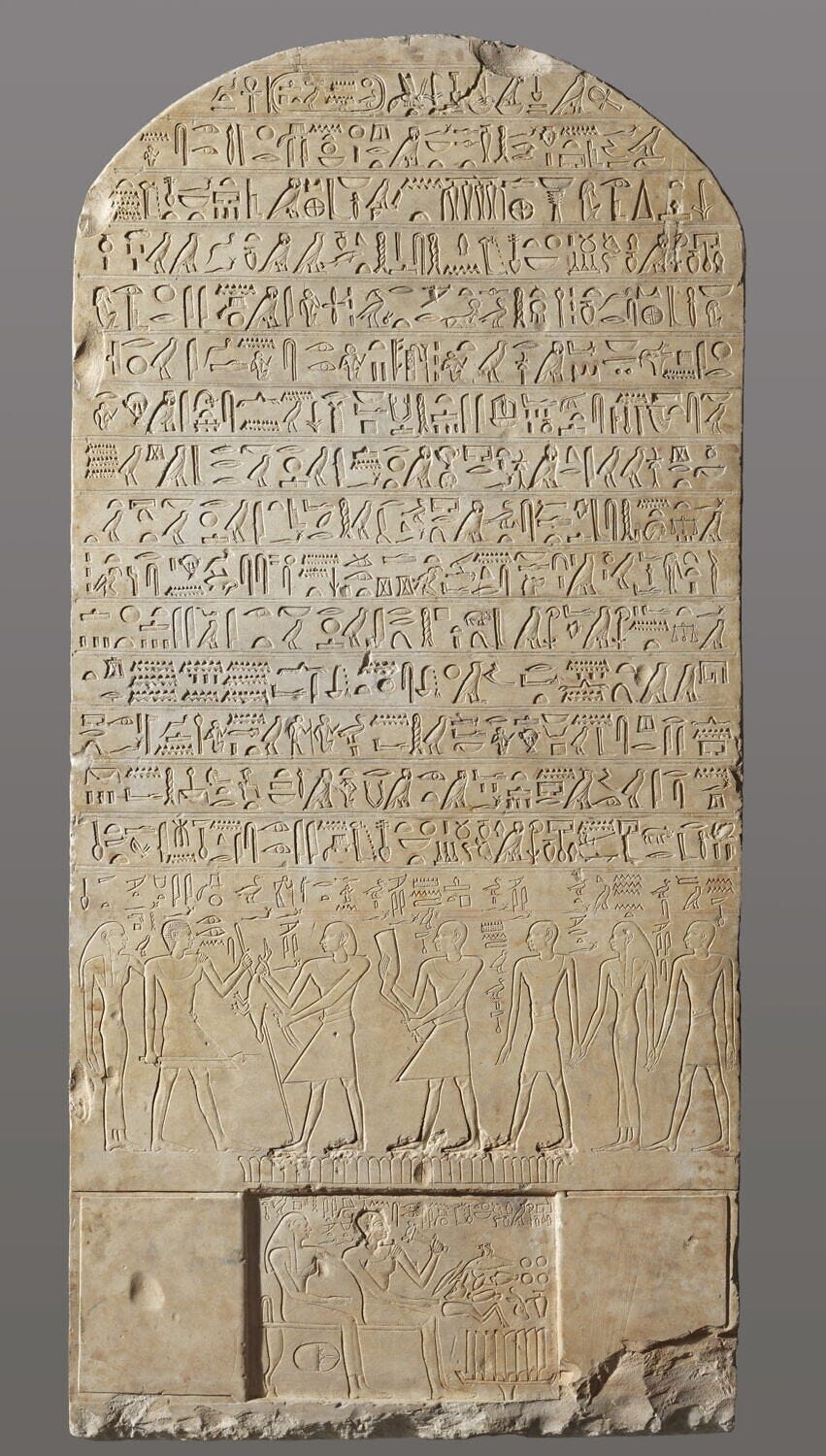
I know the hidden knowledge of hieroglyphs, the conduct of festive rituals; All generative force, have equipped myself with it, without anything there escaping me. Thus a man expert-artist efficient in his art, one who has come out on top through what he knows.


_-_013.jpg)